1eRM: Your Estimated One-Rep Max, Explained Simply
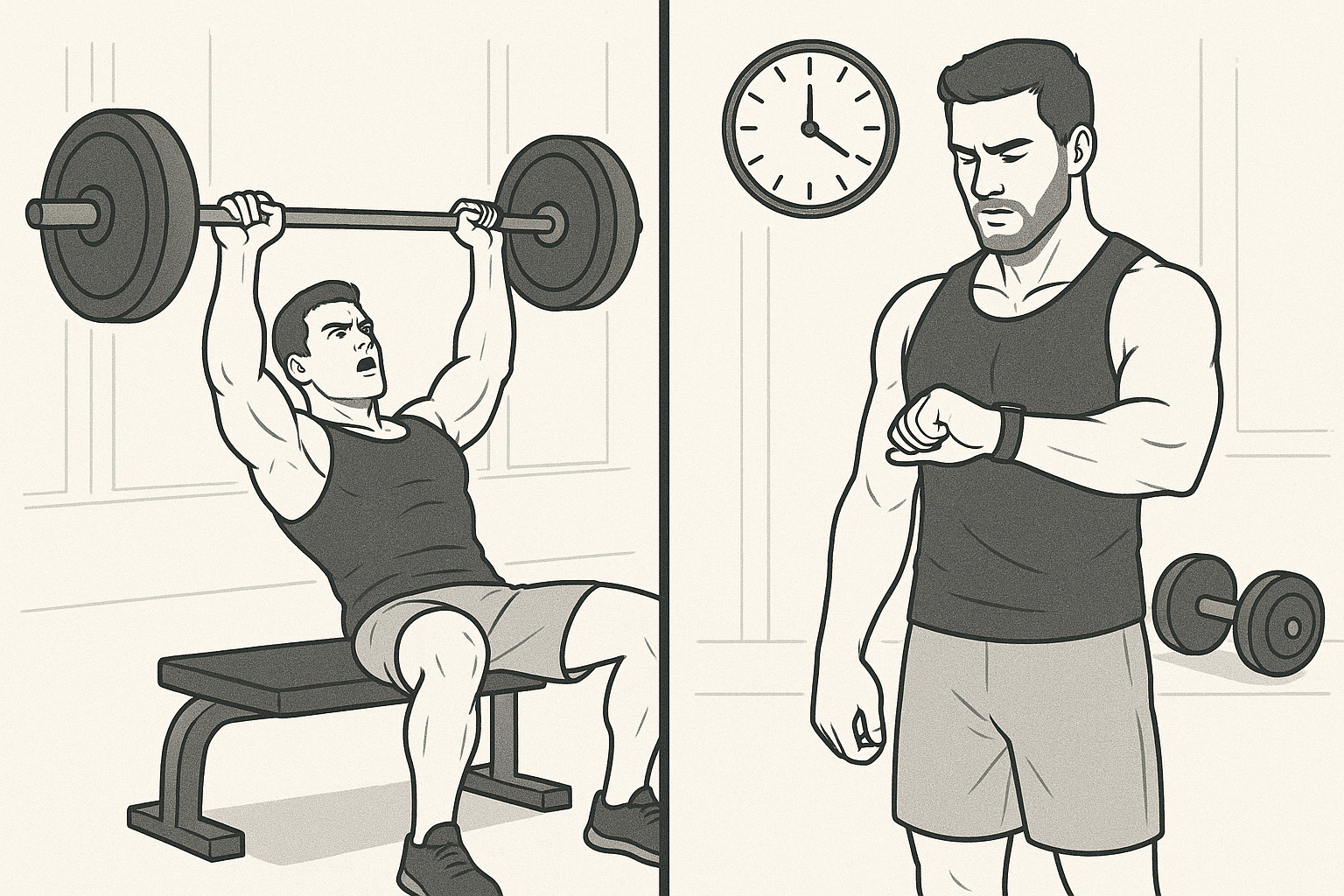
You finish a set of 10 at 40 kg. Last week you did 5 at 47.5 kg. Which one was the stronger set?
It is a fair question, and the answer is not obvious — one set is heavier, the other has twice the reps. 1eRM, your estimated one-rep max, is a simple way to put both on the same scale.
What a one-rep max is
Your one-rep max (1RM) is the heaviest weight you can lift once, with good form, on a given exercise. It is the classic yardstick of strength: when someone says “I bench 80”, they usually mean their 1RM.
The catch is that finding it for real means lifting as heavy as you possibly can. For most people, and especially if you are new to lifting, that test is not needed — and it is not the best idea either:
- A true maximum is the rep where form is most likely to break down.
- Doing it properly takes a long warm-up, several build-up singles and, on free weights, a spotter.
- It tires you out for the rest of the session and tells you nothing you can’t estimate from your normal sets.
- If you are a beginner, your strength changes quickly anyway, so today’s max can be out of date within weeks.
What the “e” means
1eRM is the one-rep max estimated from a set you actually did — say 8 reps at 30 kg — instead of tested. You keep training in your usual rep ranges, and a formula turns each set into “about what you could lift once”.
It is an estimate, not a measurement. Think of it as a scoreboard that lets you compare sets, not as a promise of what you would lift if you tried.
The Epley formula
One of the most widely used formulas comes from strength coach Boyd Epley1:
1eRM = weight × (1 + reps ÷ 30)
For a single rep, there is nothing to estimate: your 1eRM is simply the weight you lifted.
Two worked examples:
| Set | Calculation | 1eRM |
|---|---|---|
| 40 kg × 10 reps | 40 × (1 + 10/30) = 40 × 1.333 | 53.3 kg |
| 100 kg × 5 reps | 100 × (1 + 5/30) = 100 × 1.167 | 116.7 kg |
So a set of 10 at 40 kg says “you could probably lift a little over 53 kg once”. You never had to put 53 kg on the bar to find out.
Why it lets you compare different sets
This is where 1eRM earns its place. Back to the question at the top — and a third set for good measure:
| Set | 1eRM |
|---|---|
| 47.5 kg × 5 reps | 47.5 × 1.167 = 55.4 kg |
| 40 kg × 10 reps | 40 × 1.333 = 53.3 kg |
| 40 kg × 12 reps | 40 × 1.4 = 56.0 kg |
The heavy set of 5 beat the set of 10. But two extra reps at 40 kg — a set of 12 — edge out the heavy set. Without a common scale you would be guessing; with it, progress shows up whether you added weight or added reps. That is exactly what a beginner needs, because early on you often add reps first and weight second.
Where the estimate stops being reliable
1eRM is useful, but it has limits worth knowing.
It is best at low-to-moderate reps. The fewer reps in the set, the less the formula has to guess. Beyond roughly 10–12 reps, estimates drift: a long set tests your endurance as much as your strength, and two people with the same max can do very different numbers of reps with the same weight.
Different formulas disagree. Epley’s is not the only one. Another common one, from Matt Brzycki2, is weight × 36 ÷ (37 − reps). The two agree exactly at 10 reps and drift apart the further you move from it:
| Set | Epley | Brzycki |
|---|---|---|
| 40 kg × 10 reps | 53.3 kg | 53.3 kg |
| 100 kg × 5 reps | 116.7 kg | 112.5 kg |
| 40 kg × 15 reps | 60.0 kg | 65.5 kg |
Neither is “right” — they are both approximations. What matters is using the same formula every time, so your own numbers stay comparable with each other.
It changes from exercise to exercise. A 1eRM on the leg press says nothing about your chest press. Compare an exercise with itself.
Fatigue and technique move it. The third set of the day, a shorter rest, a slightly different range of motion or a new machine can all shift the number. One lower 1eRM is not a lost week of training.
It is not a target. You don’t need to see your 1eRM go up every session, and you should never push a set into bad form just to beat it. It is a way to read your progress, not a reason to max out.
How Fitlapse uses 1eRM
In Fitlapse, 1eRM is the number you see wherever the app compares sets of different weights and reps on a weighted exercise, always computed with the Epley formula above.
In your history and records. Each session of an exercise gets the 1eRM of its best set, so the graph, the table and the records show one comparable number per workout, whether that day you went heavy or went for reps. Your heaviest weight has its own Max weight column next to it.
Live, while you choose the weight and reps. As you set up the next set, Fitlapse checks what completing it would mean against your own history, and shows a medal before you lift:
- 🥇 All-time best — better than any session you have logged on this exercise
- 🥈 4-month best — your best in the last 4 months
- 🥉 4-week best — your best in the last 4 weeks
If the set only beats your previous session, Fitlapse shows that too, with ⬆️ Better than last time: a pointer, not a medal. Only the three medals are celebrated when you complete the set.
The message names the record and the number to beat, for example:
🥈 4-month best: 1eRM 45.3 kg (was 44.0 kg)
That set could be 34 kg × 10 (34 × 1.333 = 45.3) beating a 4-month best of 33 kg × 10 (44.0). Change the weight or the reps and the medal updates, so you can see how much it takes to earn the next one.
A heavy single has its own record. Because a single rep counts as its own weight, one heavy rep often has a lower 1eRM than a solid set of 10. So Fitlapse also tracks Max weight — the heaviest weight you have lifted on the exercise — and a heavy single can earn its medal there instead: ”🥇 All-time best: Max weight 40 kg (was 37 kg)”.
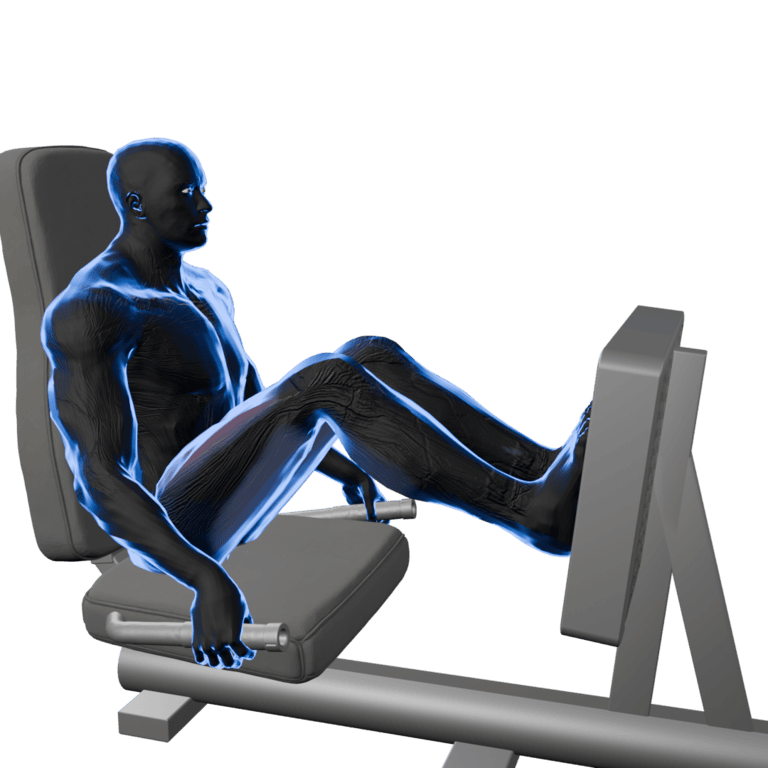
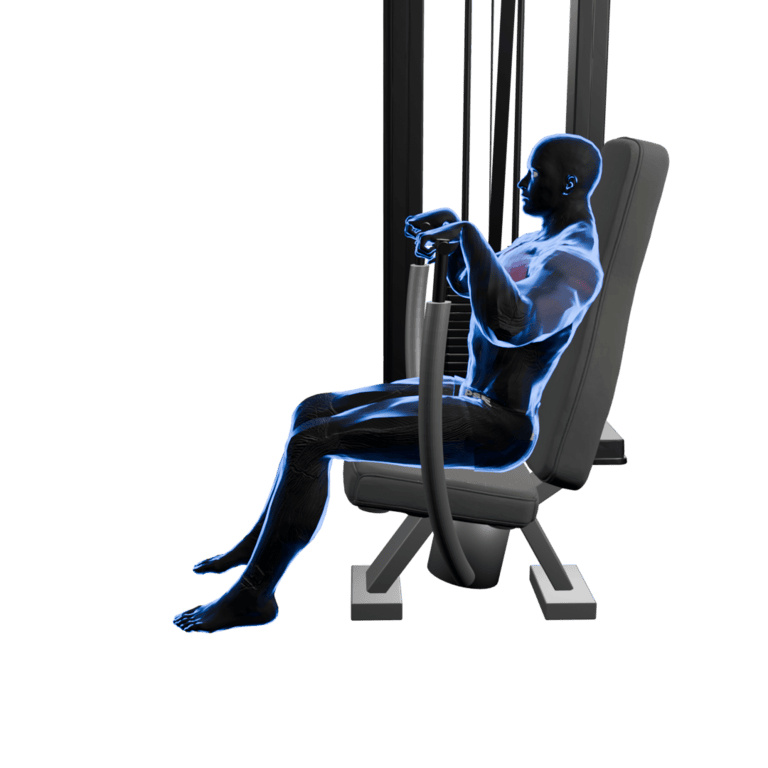
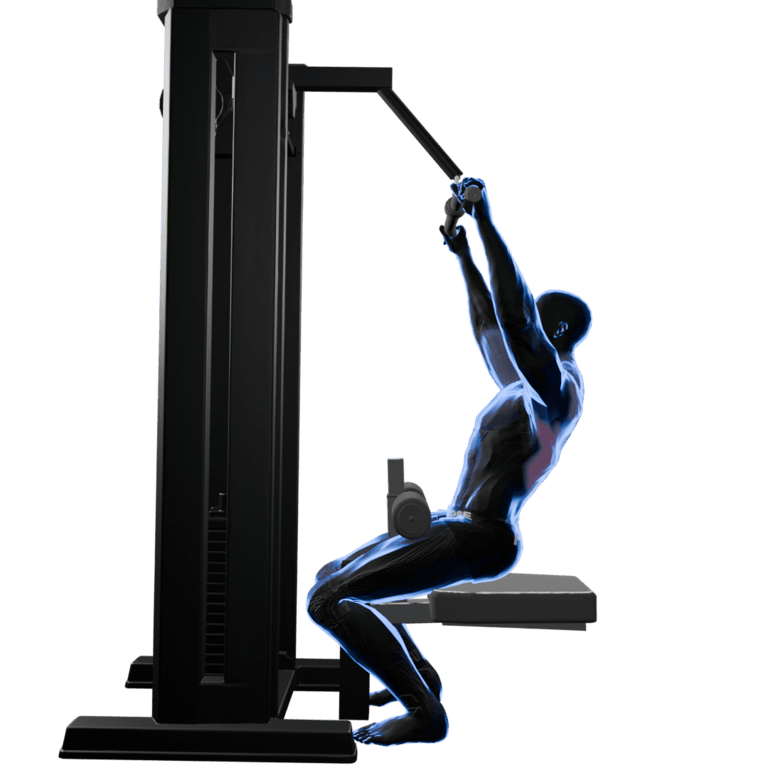
Machines are a good place to start tracking it: the load is guided, the setup is repeatable, and that keeps your numbers comparable from week to week.
In short
- Your 1RM is the most you could lift once. You don’t need to test it.
- Your 1eRM estimates it from a normal set: weight × (1 + reps ÷ 30).
- It lets you compare a heavy set of 5 with a lighter set of 12 on one scale.
- Trust it most at lower reps, compare an exercise only with itself, and treat it as a scoreboard, not a target.
Want to choose the right rep range for your goal? Read Low Reps vs. High Reps and how to find your max reps and rest time.